Why Miranda Mad Here?
The Devil Wears Prada Explained

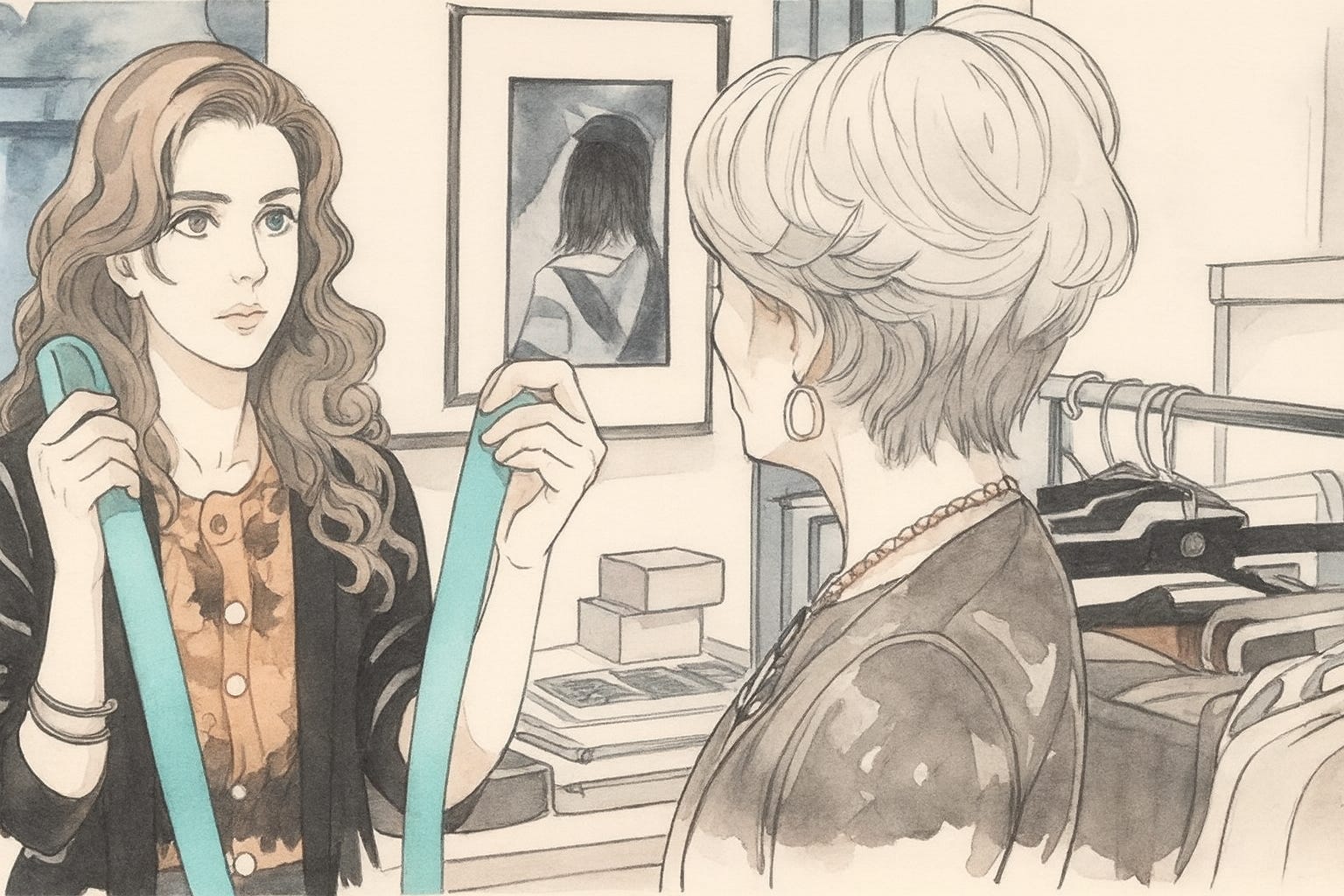
In the conference room of a fashion house, everyone is holding their breath as they look back and forth between two belts. The boss’s nerves are already on edge.
An assistant lifts two nearly identical blue belts and says,
“I don’t know which one to choose. They look so different…”
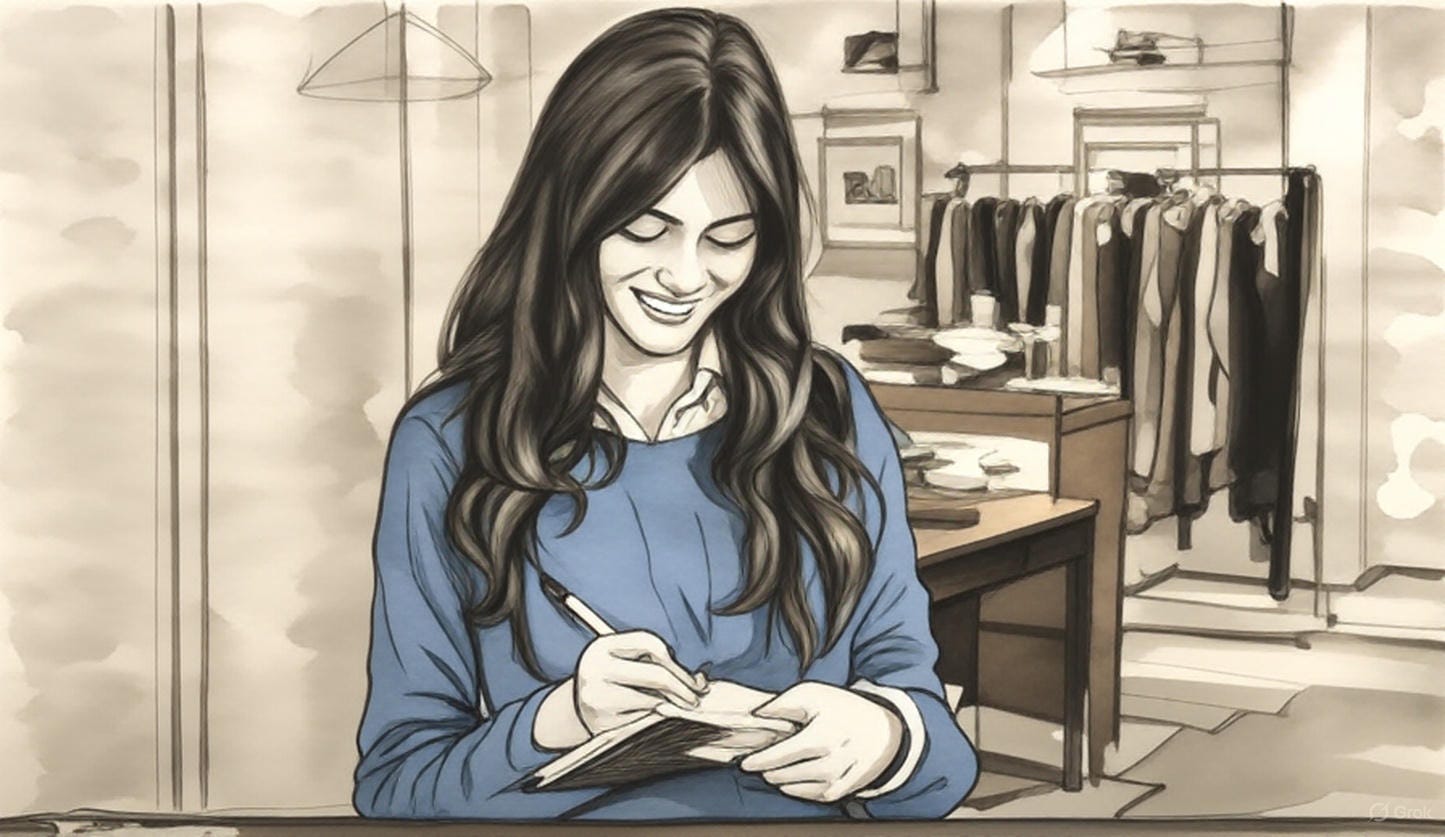
The new assistant watching this can’t help but let out a small laugh.
Truly… the worst possible timing.
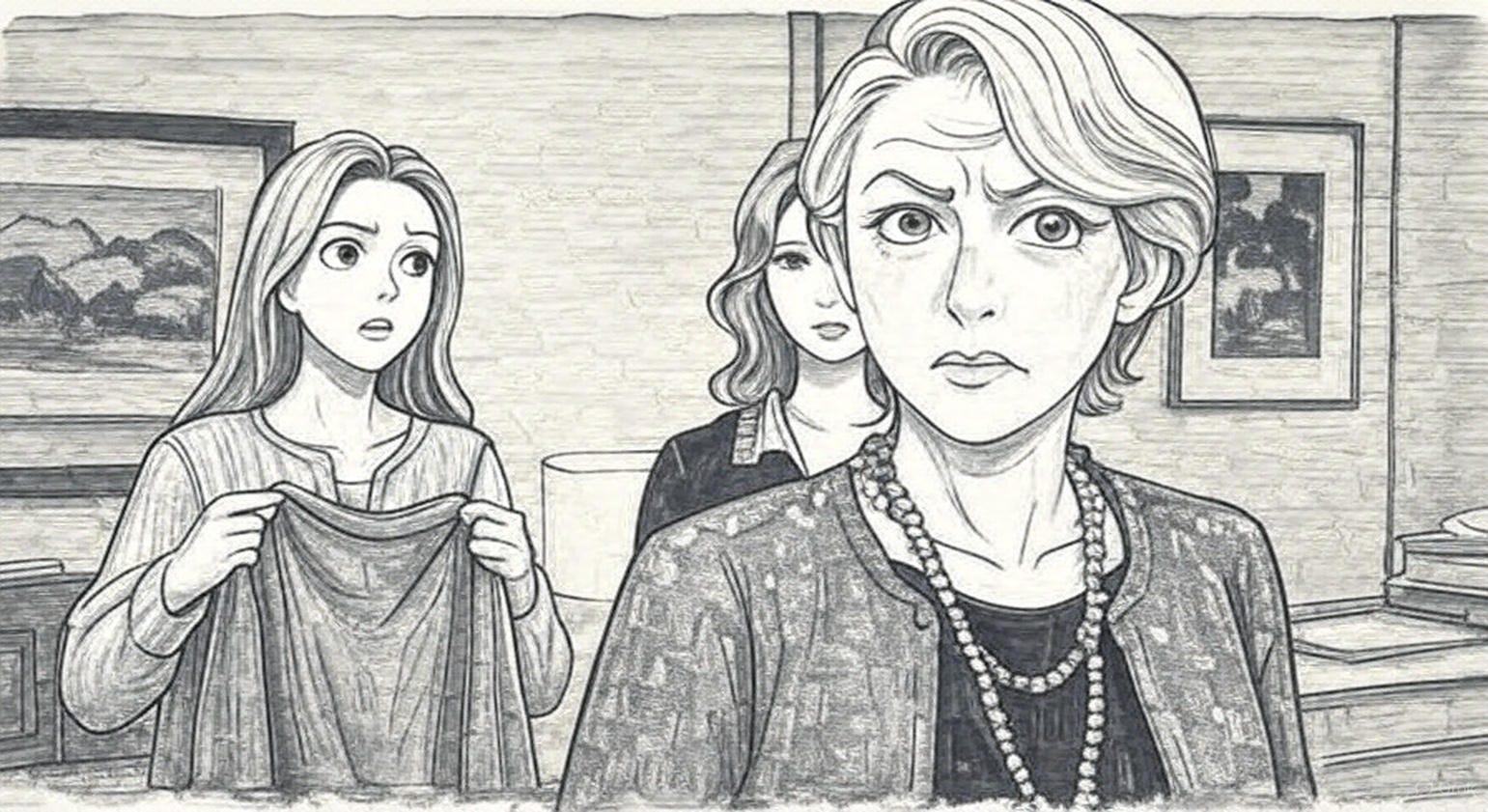
The boss slowly turns her head toward her.
Then she delivers a cold, cutting explanation.
“Do you really think the color you’re wearing is just ordinary blue?
It’s actually a shade that countless designers have competed to perfect over many seasons.”
“That color passed through runways, boutiques, storefronts,
and only after it fell out of trend and ended up on the clearance racks
did it finally reach your hands.
Can you see that process?”
The truth is, the boss never liked the new hire in the first place.
And yet she hired her anyway.
According to a coworker:
“She hired you because you’re smart.
She wanted someone who thinks differently.”
All of this can be summarized in a single word: anxiety—
a deep, fundamental suffering no human being can escape.
The boss needed an outside perspective,
someone who could disrupt the repetition, circularity,
and closed world she herself was trapped in.
Her way of persuading the assistant is practical and clever.
She never talks about why the color is beautiful.
Instead, she explains how its economic value is constructed—
the entire chain of production and the legitimacy of its process.
The boss’s authority is not grounded in aesthetic taste
but in the structure of the market:
employment, production, profit, trends.
And in a capitalist society, everything is tied to money.

But interestingly, economic value can be built on pure fiction.
In 17th-century Netherlands, a single tulip bulb once cost the price of a house—
not because it was more beautiful or more useful than a home,
but because people believed the next buyer
would pay even more for it.
The bubble eventually burst,
and all that brilliance collapsed into worthlessness overnight.
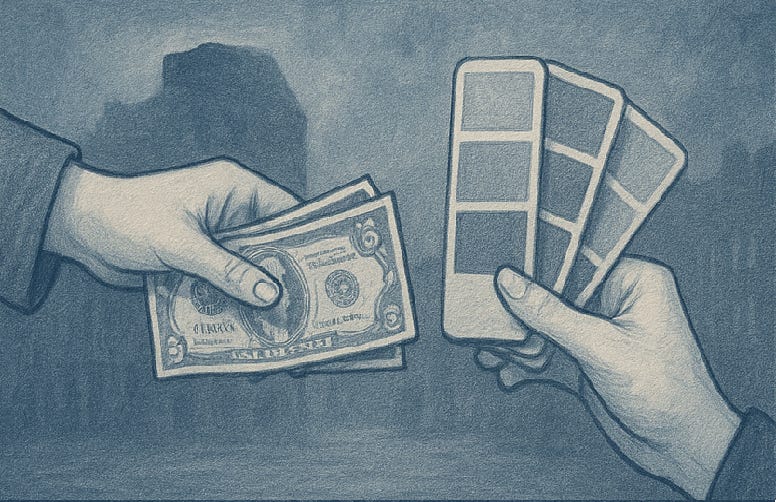
The economic value the boss speaks of exists
simply because people believed in it.
On the surface, she seems to be explaining color.
But in reality, she is defending her authority.
“Am I in this position because of genuine competence?”
“Or did I just happen to ride a massive wave?”
“How can I convince myself that my authority is real?”
In this strange loop—
using her own authority to justify that same authority—
the belt incident strikes a deeply sensitive nerve for the boss.
And the greater irony is this:
She hired the assistant for a “new perspective,”
yet the person who ultimately dismisses that perspective as not so new
is the boss herself.
Because the story unfolds from the new assistant’s perspective,
the boss appears enormous, unshakable, almost absolute.
But in reality, she is the most anxious person in the room.
No one understands better than she does
that a single moment of hesitation
could cause her authority to collapse.
All the procedures, experience, and expertise she has built—
all of it—
can still look like nothing more than “just blue” to someone else.
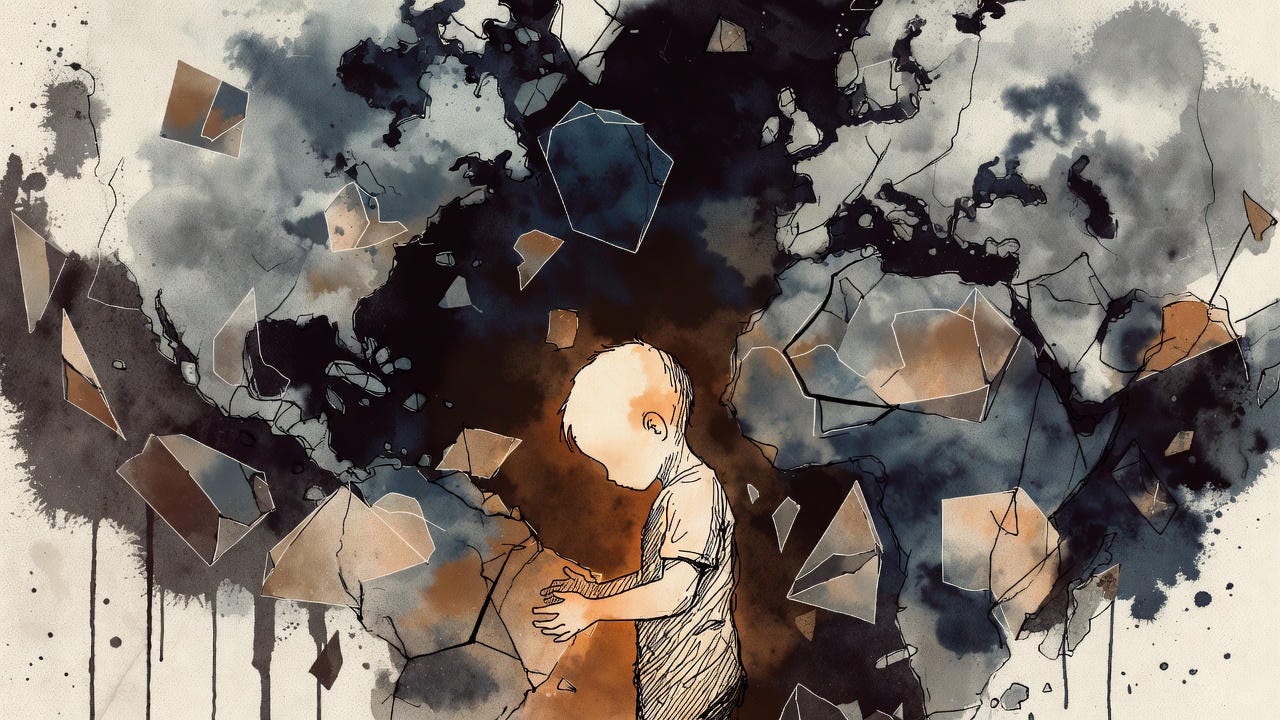
Behind every cold, sharp-tongued critic,
there may be a frightened child
desperately trying to hold the world together.
It’s worth remembering that possibility.
Thank you so much for reading!
If you’d like to explore more of my essays in other formats, you can find my video and short-form content here:
🎥 YouTube: https://www.youtube.com/channel/UCjn1Ttw1EFwY8zKb37a4NlQ
(@404-200)
🐦 X (Twitter): https://x.com/112Essays
(@112Essays)