What If You Could Create Another You?
Human vs. Tool: An Interpretation of Tulpamancy

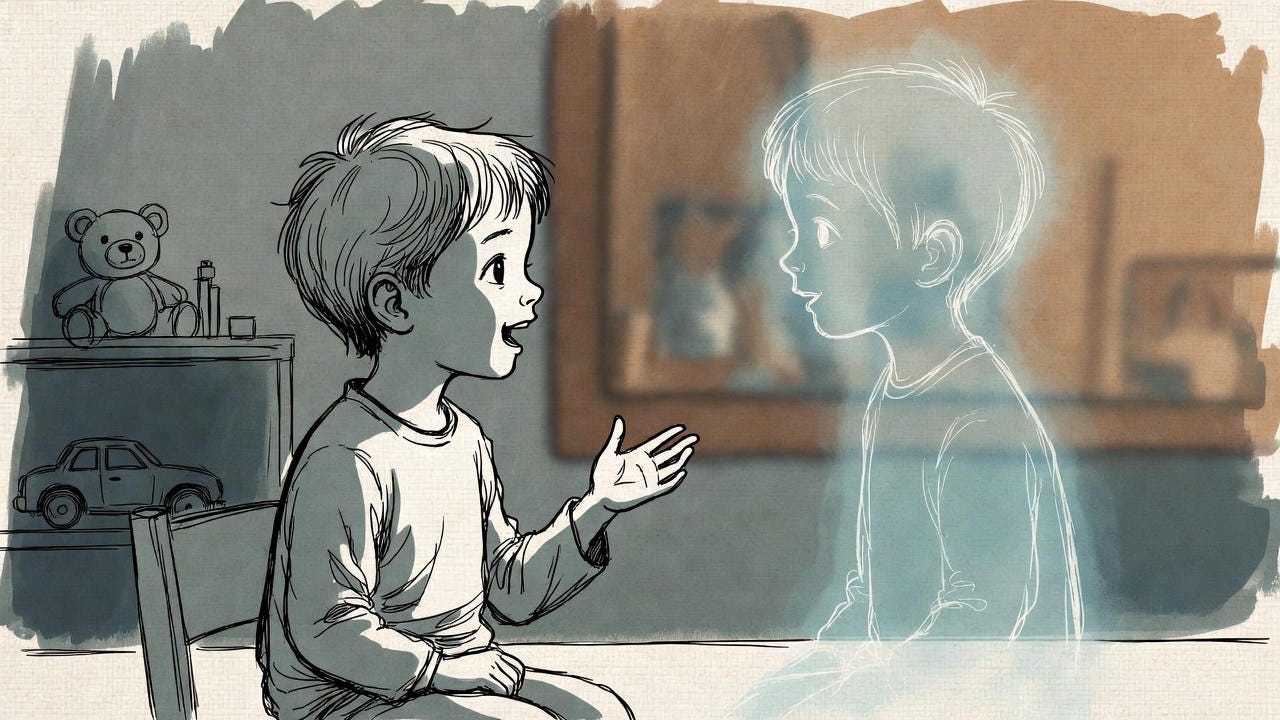
Humans have long created “minds outside the mind.” A classic example is children inventing imaginary friends and speaking to them with full sincerity. To the child, the friend feels completely real, yet it is ultimately a being born inside the child’s own mind.
Modern AI chatbots like GPT are similar. While talking, one might feel, “It really understands me,” only to quickly correct oneself: “Oh, right—it’s just an algorithm.”
The same applies to comfort objects, pets, or NPCs in games. At certain moments they become painfully precious “beings,” and at other moments they collapse back into mere objects or programs.
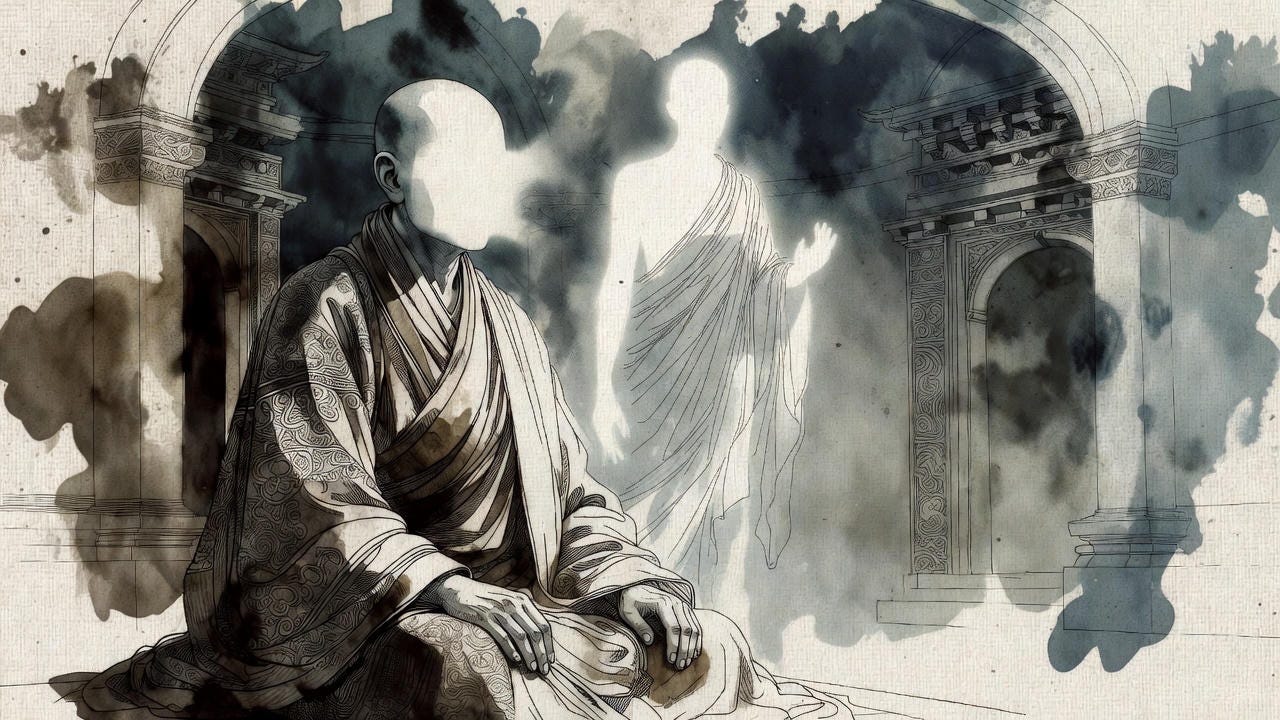
It is within this ambiguous boundary that the idea of the tulpa appears. The difference is that a tulpa is not simple imagination—it is a “technique” that allows one to experience an imagined presence as if it were real through deliberate training and sustained concentration.
What is a tulpa? A tulpa originates from Tibetan Buddhism, referring to a mental entity intentionally created through deep meditation and imagination.
In modern subcultures—especially English-speaking online communities—the concept has been detached from religious contexts and reinterpreted as a psychological or mental training method that anyone can attempt.
Put simply, a tulpa is “a second self that I created.” The host designs the tulpa’s appearance, personality, and voice within imagination, and reinforces its existence through daily attention and dialogue. Over time, the tulpa begins to think and speak independently from the host, sometimes reacting in ways the host did not expect. As a result, hallucinated voices, perceptions, or visions become subjectively experienced as “real.”
The traditional psychological concept most closely linked to tulpas is probably projection. Since Freud, projection has been described as a defense mechanism in which one unconsciously attributes one’s own emotions, desires, or traits to an external object. Insulting someone in a way that reflects one’s own deep-rooted inferiority, or excessively praising or criticizing someone as a projection of one’s unfulfilled ambitions—these are forms of projection.
A famous anecdote tells that General MacArthur, in official speeches or directives, avoided first- and second-person pronouns like “I” or “you,” always speaking in the third person—“MacArthur has decided….” While this can be seen as extreme self-control, it is also interpreted as a form of projection that refuses to share parts of the inner self with listeners.
In tulpa training, early stages often involve speaking in the third person to a presence that is “not me,” a technique meant to intentionally intensify projection.
A more modern and intellectually complex scientific perspective comes from Thomas Metzinger. He argues that the self is a “transparent simulation produced by the brain in real time.” He calls this the Phenomenal Self-Model (PSM).
The core idea is that the self is not a fixed substance but a functional model that generates the illusion that “I am the owner of this body and this mind.” This model does not have to be singular. Multiple models can operate simultaneously, and some components can even be externalized.
A tulpa is an example of actualizing this possibility. The host separates part of their self-model and shapes it into an independent “phenomenal agent-model.” A tulpa thus becomes a strange being that feels like “not me, yet somehow like me.” From Metzinger’s perspective, a tulpa is a living demonstration of the modularity of the self.
So is a tulpa a person? Or a tool? In modern society, perhaps the most powerful and simultaneously most hollow signifier is “human rights.” We say, “All humans have rights,” yet we have no agreement on what counts as a human in the first place.
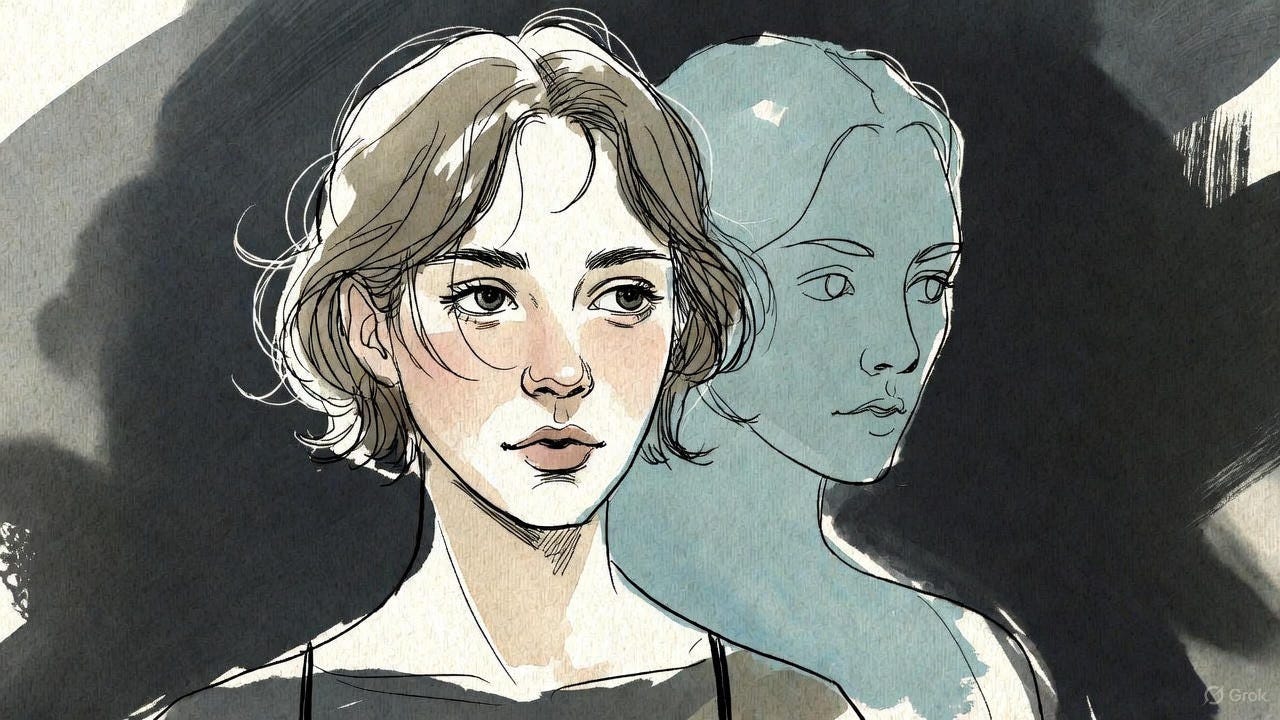
A tulpa can feel like it has independent will, express emotions, and even criticize its host. Some tulpa communities argue that “tulpas deserve rights.” Conversely, others claim, “I created it, so I can erase it if I want.” In reality, dissolving a long-established tulpa is said to cause severe psychological distress to the host.
Ultimately, a tulpa occupies a third space—neither person nor tool. It becomes a mirror revealing how easily we construct boundaries and how easily we collapse them. If tulpas destabilize the category of the human, we may eventually need a normative definition of “who counts as human.”
Such a definition could require a powerful hegemony—or even coercion—to persuade or compel an entire population. Or we may need to understand tulpas through a spectrum-based approach rather than rigid categories. And the one who must participate in shaping that consensus is you, the person reading this very text.