Spacer
The Human Role Allowed in the age of AI

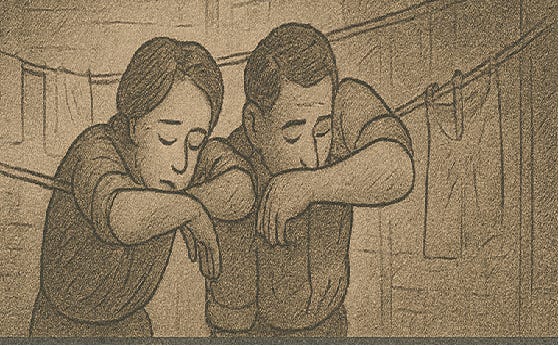
There are people here sleeping with their chests pressed against a laundry rope.
This is a scene recorded by the British writer Henry Mayhew, describing the poor of Victorian London.
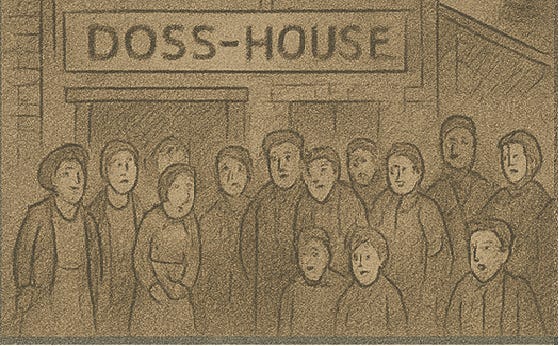
Between the 1830s and 1860s, the slums of London had cheap shelters called doss-houses,
where the poorest ended their day in pain for just two to four pence.
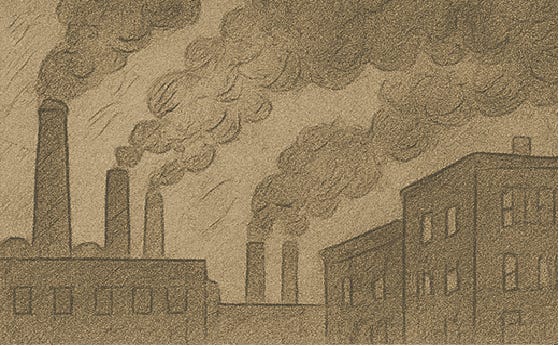
This was the shadow behind the “prosperity” of the Industrial Revolution.
Technology was brilliant, but people were struggling behind it.
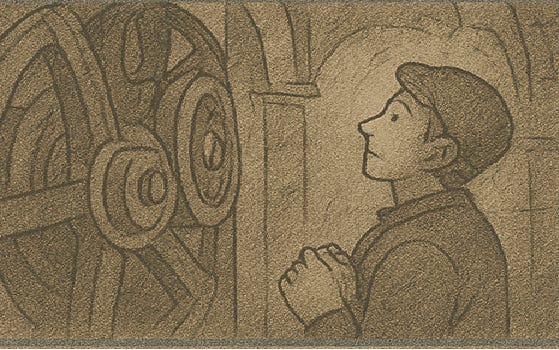
In the 18th century, humanity experienced a new kind of fear for the first time—
the fear of being replaced as a working subject.
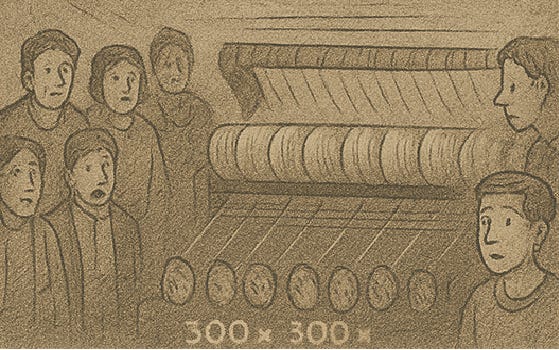
When the spinning machine was invented,
it produced three hundred times the efficiency of traditional methods.
“Machines will replace human labor.”
“Human skill will become worthless.”
“Livelihoods will be threatened.”
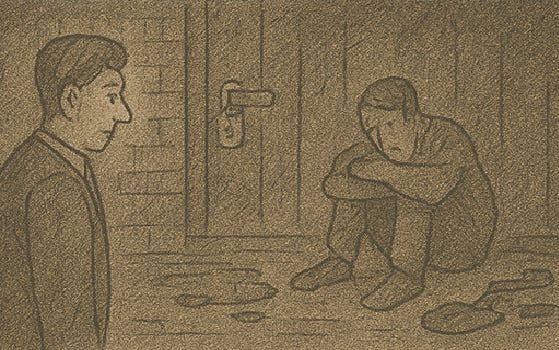
As a result, countless people fell into a sudden hell.
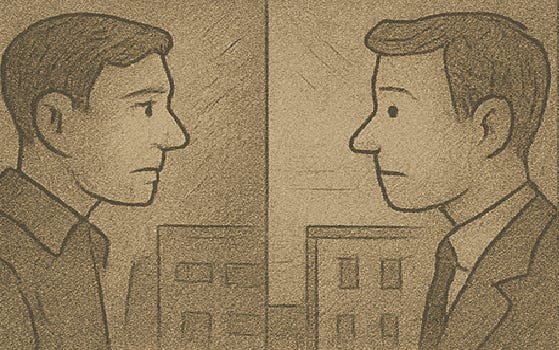
But when you look closely, something feels strange.
These statements sound far too familiar.
They almost perfectly mirror the claims people make about AI today.
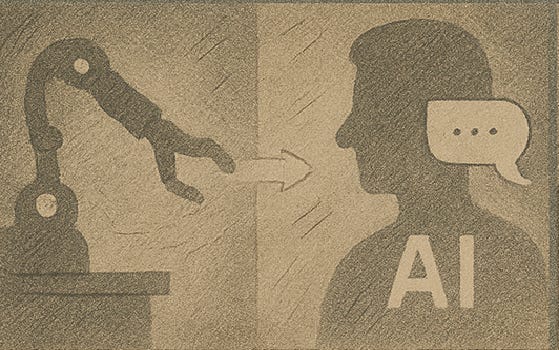
There is, however, one key difference:
back then, it was arms that were replaced;
today, it is mouths and minds.
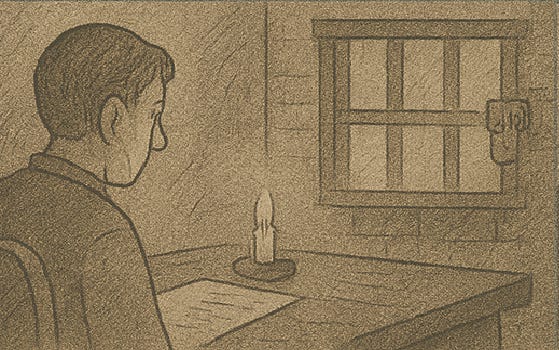
During the Industrial Revolution, those who were displaced had no access to media,
and they had no means of writing columns or spreading their fear across society.
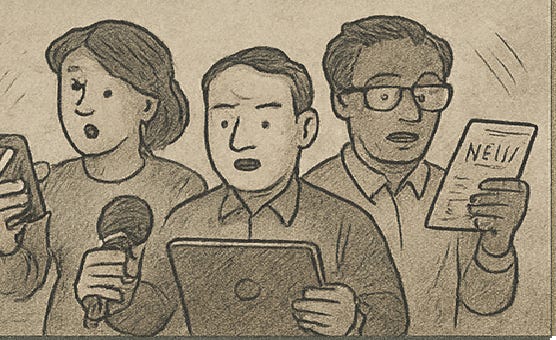
But the people who expect to be displaced today—
professors, writers, translators, journalists—
are precisely the ones capable of broadcasting their anxiety anywhere.
They complain every minute, warn that they will soon be “repositioned,”
and endlessly express their fear and sense of loss.
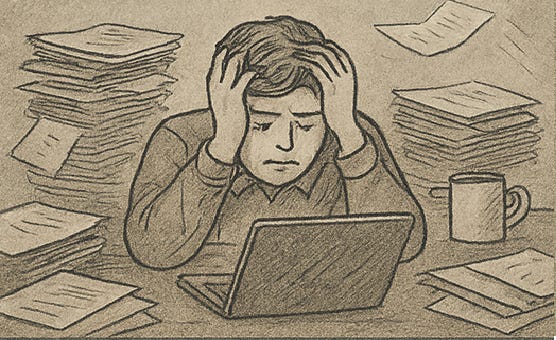
For a long time after the Industrial Revolution,
the ability to cram large amounts of information into one’s head
and process it through trivial tricks
was treated as a superior skill.
But was it ever truly natural?
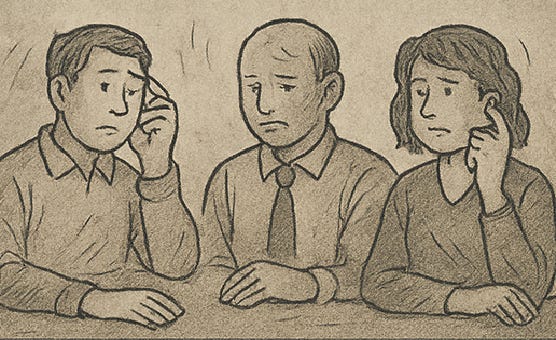
Only a tiny fraction of such people possess genuine insight or wisdom.
Most have simply nudged conversations away from the things they do not know—
quietly and habitually—
and that is how their livelihoods have been preserved.
The AI revolution is the second iteration of the same historical pattern.
This time, it is not the body that is being replaced,
but language, knowledge, and cognitive processes.
Factories of the 18th century were filled with physical labor;
factories of the 21st century are filled with cognitive labor.
And cognitive labor now competes against machines
that never tire, never rest, and never sleep.
“Am I the one who will fall behind this time?”
The essence of the fear remains unchanged.
Many AI researchers say that when AGI and ASI arrive,
AI may become not just a “tool,”
but another subject capable of replacing humans.
In the past, even if machines produced goods faster,
trains transported them farther,
and airplanes flew higher,
none of these became “human.”
They remained objects humans used.
But AI may become something different—
a tool that behaves like a human,
used by another non-human subject.
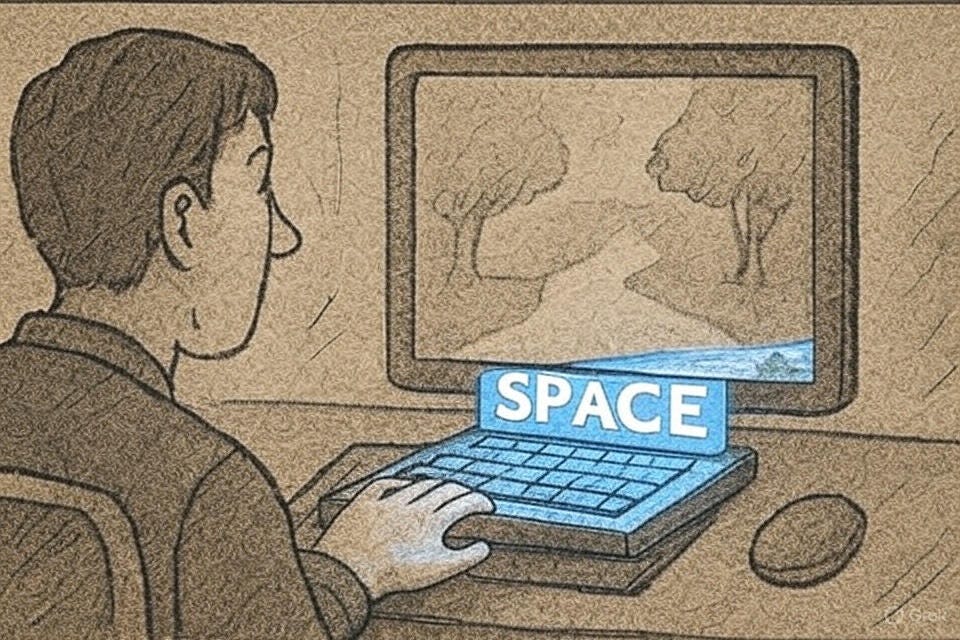
Today, AI composes music, produces videos, and writes texts.
Yet its creations are still not enough to truly move human hearts.
Perhaps for the next thirty years, humans will work as “spacers”—
reviewing AI outputs and pressing the spacebar
to approve what seems acceptable.
But will this role last forever?
If AI eventually takes over even the role of the spacer,
what will humans do then?
There are two paths ahead.
You can spend your life desperately trying to outrun AI,
or you can become something AI can never imitate.r life desperately trying to outrun AI, or you can become something AI can never imitate.