F(x) Pinocchio (Danger) Explained
Phenomenal Self-Model


“Pinocchio” is infamous for having lyrics that are almost impossible to interpret. This girl group became a cult favorite partly because many of their songs contain abrupt and abstract expressions, and Pinocchio is especially notorious for its interpretive difficulty. On the surface, the lyrics resemble “cute curiosity,” but a closer look reveals something far more grotesque.
What the song depicts is essentially a surgical procedure. Eyes are replaced, shells are peeled off, interiors are examined, and the subject is reassembled—yet the entire process is packaged as a “show.” The fact that such cruel and perverse desires are expressed through the voice of someone who is supposed to be innocent creates a chilling irony.
In the second verse, the narrator explains her motive. Surgery is legitimate only when it serves a therapeutic purpose, but the girl dissects the object simply because she “wants to know” him. The listener naturally feels fear, because it is all too easy to imagine oneself as the target of such an act.
Ultimately, the “Pinocchio” in the song is F-X themselves. Who should feel more endangered—the surgeon or the patient? Obviously the latter.
Lines such as “I am in danger” and “Remember me” simultaneously describe the scene inside the work and function as metafictional devices that reach beyond it. What they wanted to say is exactly what the lyrics state: “I’m in danger now.” I do not want to become a puppet that can be disassembled and reassembled—and I want you to remember that.
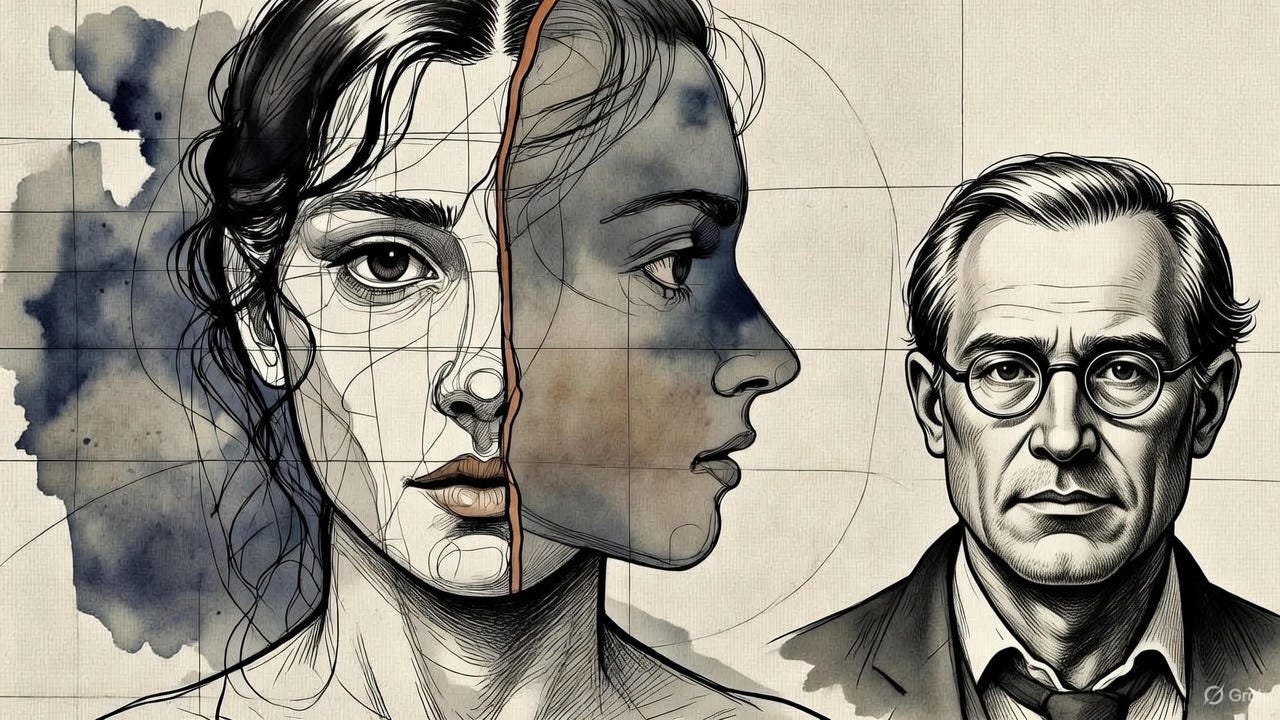
This interpretation begins with the assumption that humans cannot fully separate subject and object. According to Thomas Metzinger’s Phenomenal Self-Model, the self is not an actual substance but a mental construct, maintained by a structure of belief. We think of ourselves as independent entities, but in reality, we assemble our identity by borrowing fragments from others.
For example, if Yana loves the cat Sasha, Sasha is already incorporated into Yana’s mental structure. This kind of “partitioning of the self” is natural for human beings.

A striking piece of evidence supports this reading. In the music video at 1 minute 49 seconds, the lyric says “break into pieces,” yet the screen shows the members of F-X simply changing outfits. The lyrics claim that the object is being dismantled, but the video shows the subjects themselves undergoing transformation. This is not accidental, but a deliberate contradiction.
And this contradiction repeats throughout the work like a fractal. Lyrics and visuals collide, boundaries between subject and object blur, and innocence morphs into cruelty. The repeating irony completes its structure once the listener exists to perceive it.
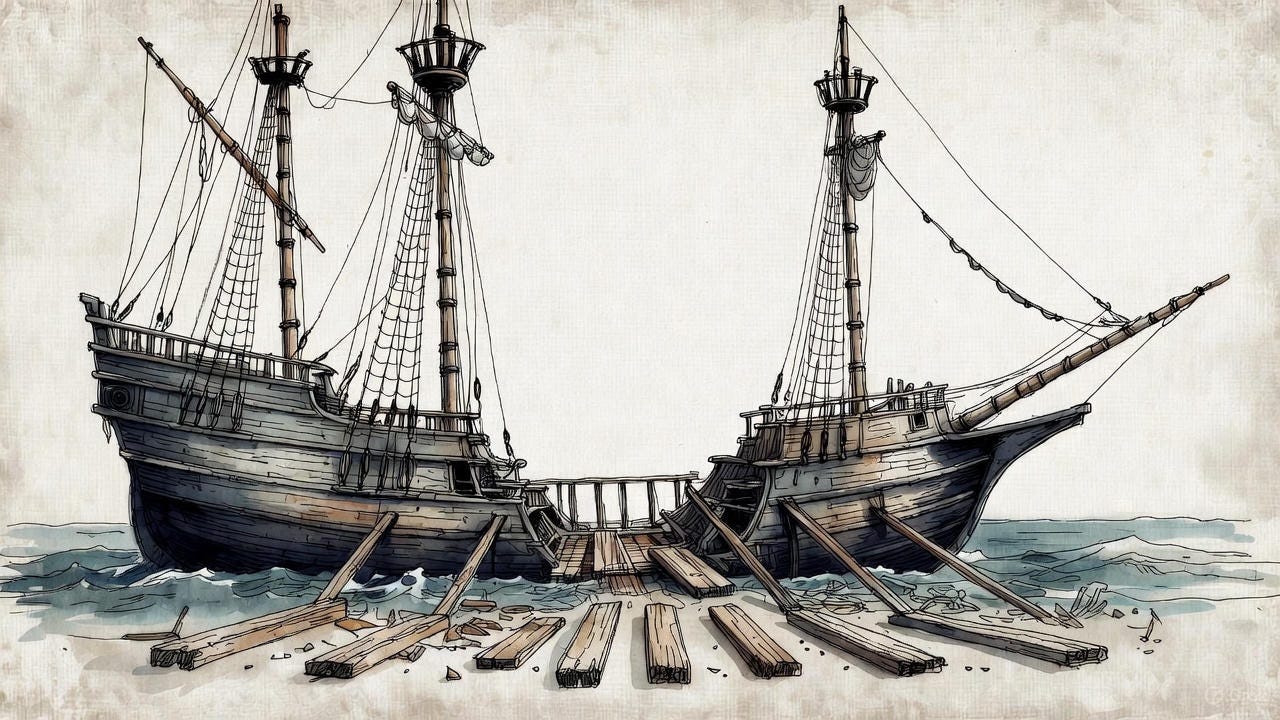
The act of breaking apart and reassembling evokes the paradox of Theseus’s Ship—the classic question of whether an object remains the same when all its parts have been replaced.
Pinocchio was originally a wooden doll, and a doll is an inanimate object. No matter how many parts are replaced, as long as society agrees to call it “Pinocchio,” it can remain Pinocchio.
But what if Pinocchio were human? Humans are not mere collections of replaceable parts. They are beings whose memories, habits, relationships, and desires are bound together. Yet in the song, the girl observes and reassembles someone as if replacing components one by one.
And F-X themselves are subjected to similar “part replacement”: their image changes, their speech patterns change, their modes of thinking change, and even the direction of their identity shifts—often at the demand of the era and the industry. If a pop performer’s components keep being replaced, can she still remain “herself”?
This leads to a deeper question. If identity can be dismantled, replaced, flattened, and shared among multiple people, then why is pain still treated as something each individual must bear alone?
“I’m in danger” and “Remember me” can be understood as attempts by an already divided self to distribute its pain, or as a demand to return the pain to the relational structure that created it. The basis is the same as the basis from which the pain originally emerged.
If the self can be partitioned, then pain can be partitioned as well. The “danger” they speak of is therefore less an individual problem than a relational and structural one.