Flat Earth vs Globe Earth

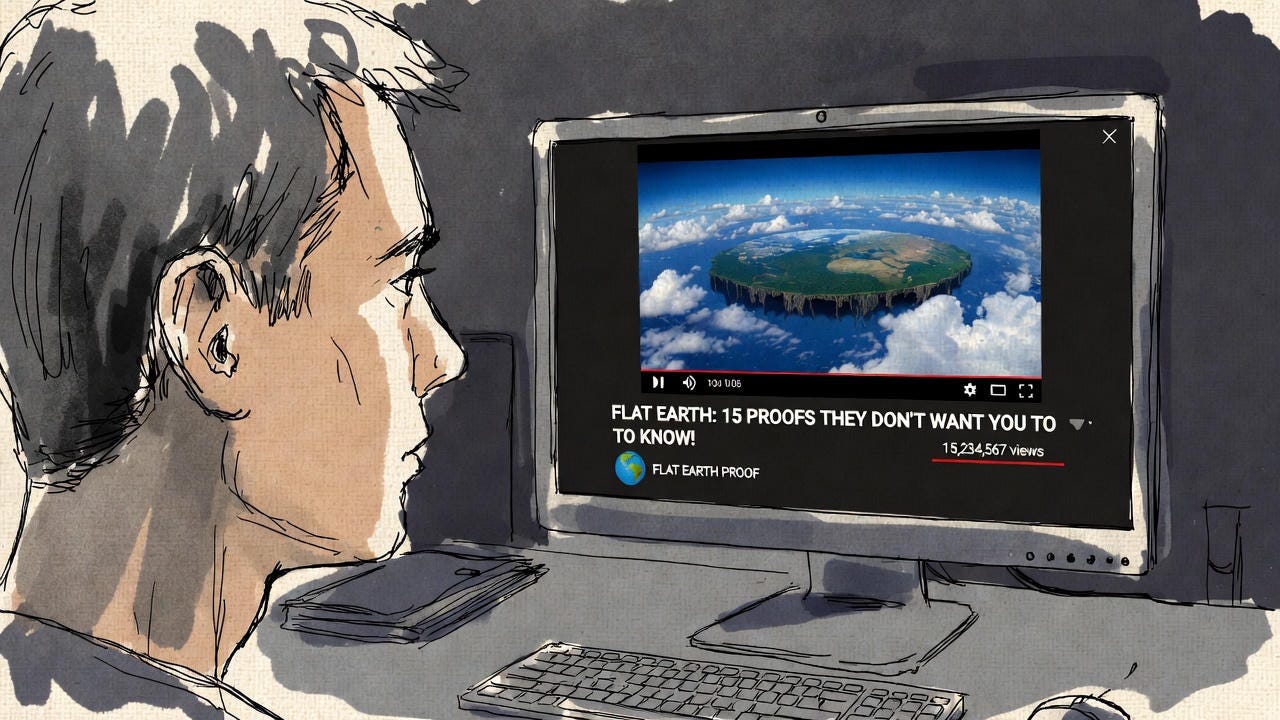
Do you believe in the Flat Earth theory?
Probably not.
But how would you convince someone who does?
You might show them a picture of the Earth as a sphere.
But what if they believe that the photo is fake?
Then you would have to explain something deeper —
for example, the phenomenon of tides.
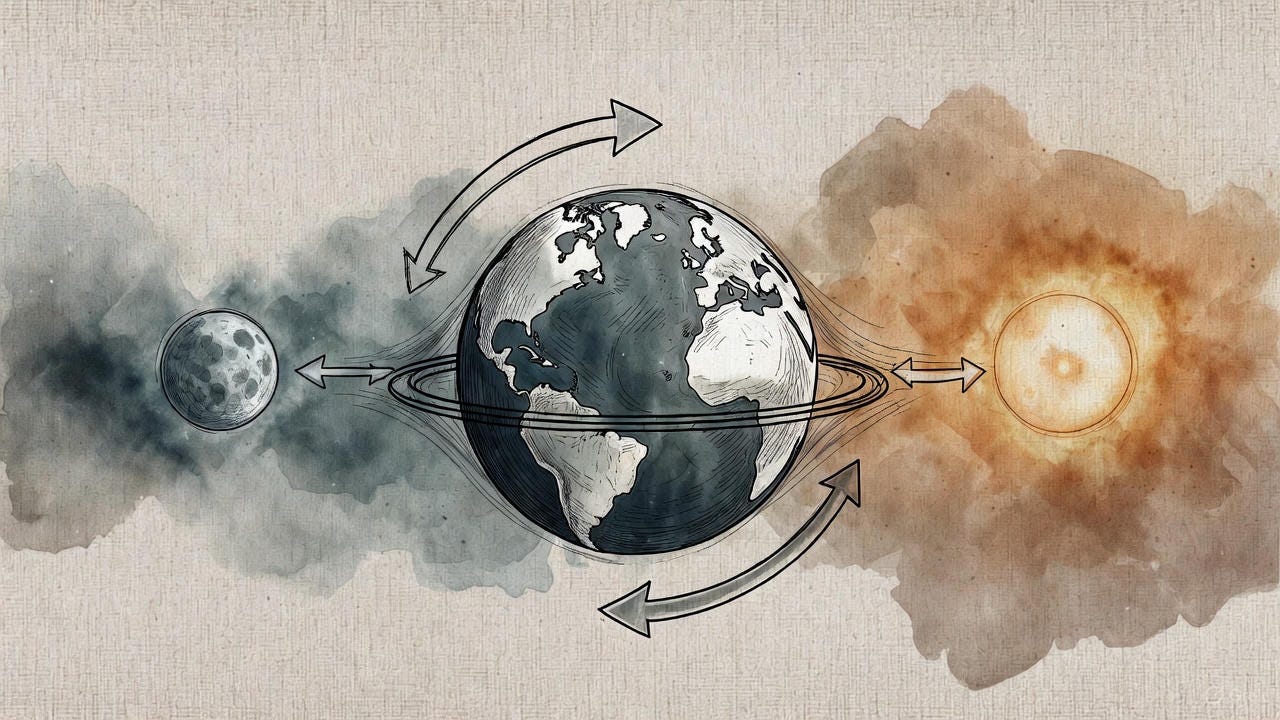
Why does the sea level rise and fall in a predictable cycle?
Why is that cycle about 12 hours and 25 minutes?
Why do some regions show one cycle per day while others show two?
These patterns only make sense if the Earth is spherical —
shaped by the gravitational pull of the Moon and the Sun,
combined with the centrifugal force generated by the Earth’s rotation.
A flat-Earth model cannot account for any of this.
But here is the real question:
If you cannot clearly explain these tidal phenomena yourself,
then how do you know your belief is grounded in accumulated knowledge —
and not simply obedience to authority?

In fact, Flat-Earthers and Globe-Earthers may be almost the same in certain ways.
Both share the same structure of submission to authority.
The only difference is the type of authority they prefer.

Globe-Earthers tend to have a strong conformity bias,
trusting professors, textbooks, and institutional science,
while Flat-Earthers tend to have a strong anti-conformity bias,
making them more likely to trust YouTube or other non-mainstream channels.
In a sense,
Flat-Earthers might even be more existentially oriented.
This becomes even more interesting
when we connect it to the thought of Richard Feynman.
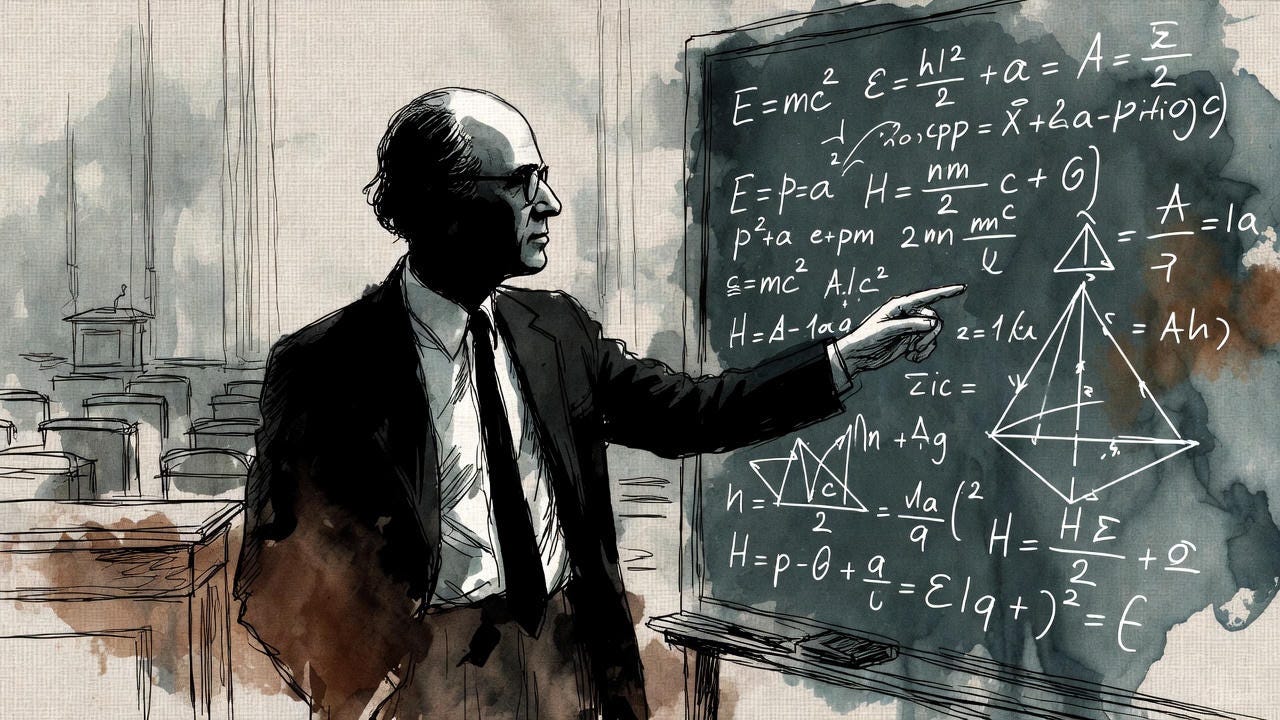
Feynman was one of the most famous scientists of the 20th century,
and one of his characteristic ways of thinking
remains online in a YouTube video titled
“Why do magnets repel each other?”
His main point is this:
“When we answer a ‘why’ question,
we can only answer within the category
we already assume to be true.”
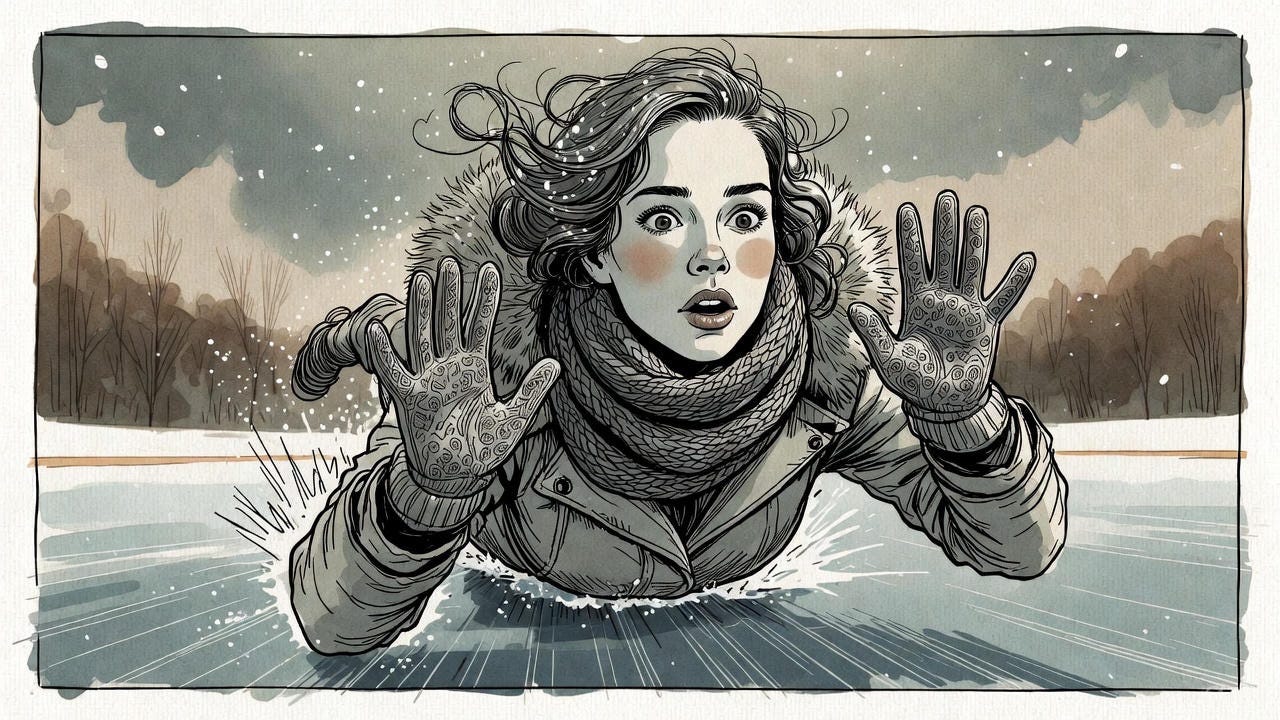
For example:
Your aunt slips on the ice.
Why did she slip?
“Because the ice is slippery.”
Then why is the ice slippery?
“Because the friction is low.”
Then why does friction behave differently on ice?
Put another way,
this way of thinking is what has repeatedly appeared
since the late 20th century
and has become even more important in the age of AI:
critical thinking,
and thinking about thinking.
We can connect this point
to the “Principle of Charity” in logic.
The Principle of Charity means
that when we evaluate someone’s argument,
we reconstruct it in its strongest and smoothest form.

For example,
if we have the premise “Elephants are herbivores”
and the conclusion “Elephants do not eat meat,”
the listener may insert the hidden premise
“Herbivores do not eat meat”
to make the argument flow smoothly.
The problem is this:
We do not apply the Principle of Charity
only to other people’s arguments —
we may apply it to our own understanding as well.
In that process,
we may insert hidden assumptions
without recognizing where they came from,
and mistakenly believe
that we have “understood” something
that we did not truly understand.
In other words,
something that should not have felt coherent
comes to feel coherent.
This may be the greatest trap of modern scientism.
We tend to assume that science is deductive —
a beautiful and definitive form of reasoning
where true premises guarantee a true conclusion.
But in reality,
science is almost entirely inductive.
It is not a complete deductive system.
If something has happened the same way a thousand times,
we assume
“it will probably continue to happen.”
A single black swan
can overturn the entire logic.
Science is always under threat,
but because that instability is not transmitted to you,
it appears on the surface
as a calm and flawless structure.
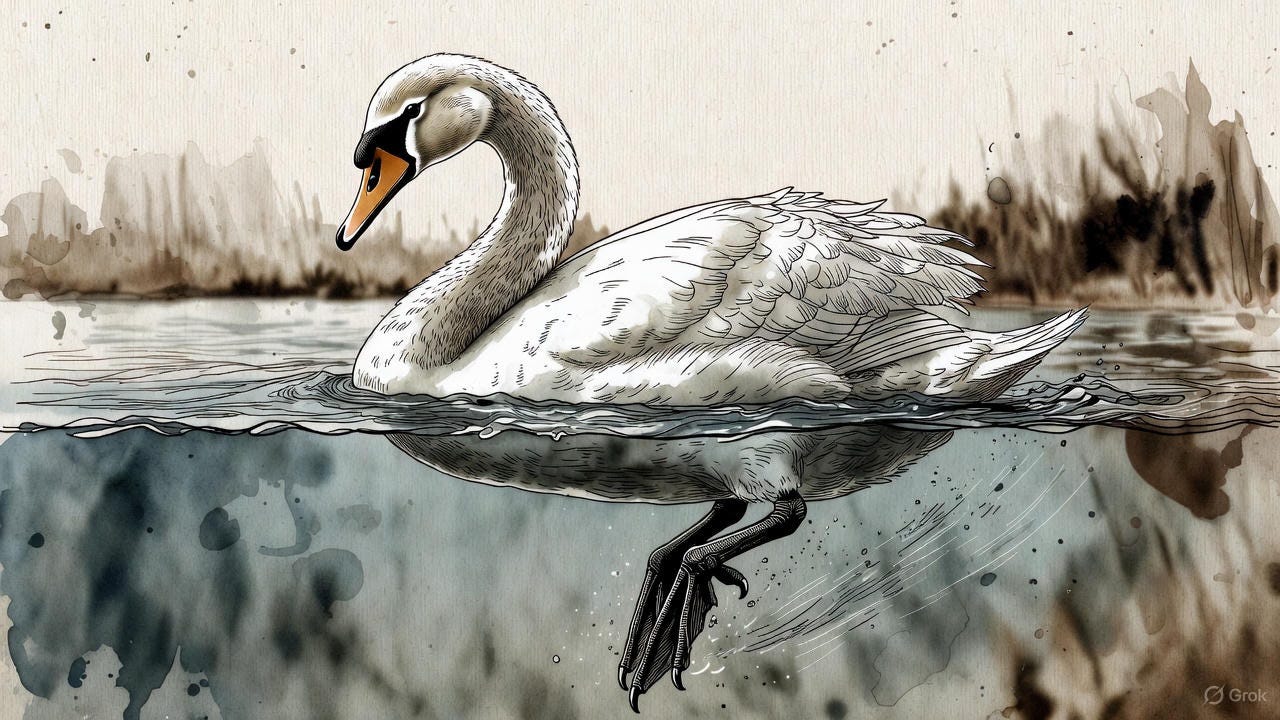
Like a swan that glides gracefully above the water,
while paddling desperately beneath the surface.