BTS Fake Love Explained
Identity Collapse and the Shadow Self

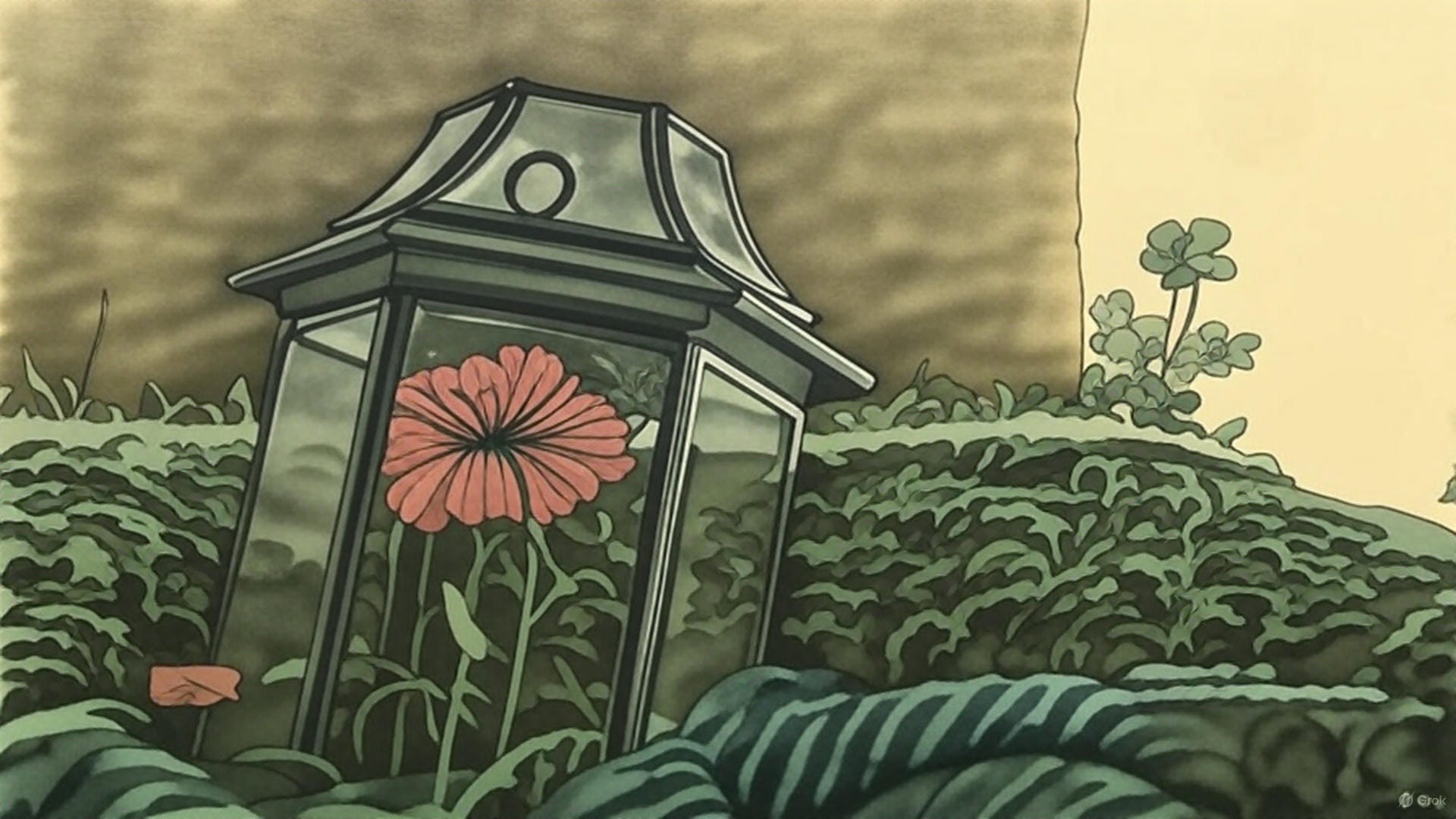
The only object in the music video that directly corresponds to the lyrics is the flower.
The flower is likely the most important symbol.
As evidence, it appears at the very beginning of the video.
A flower is beautiful, and it is harmless.
It is kept safely inside the lamp.
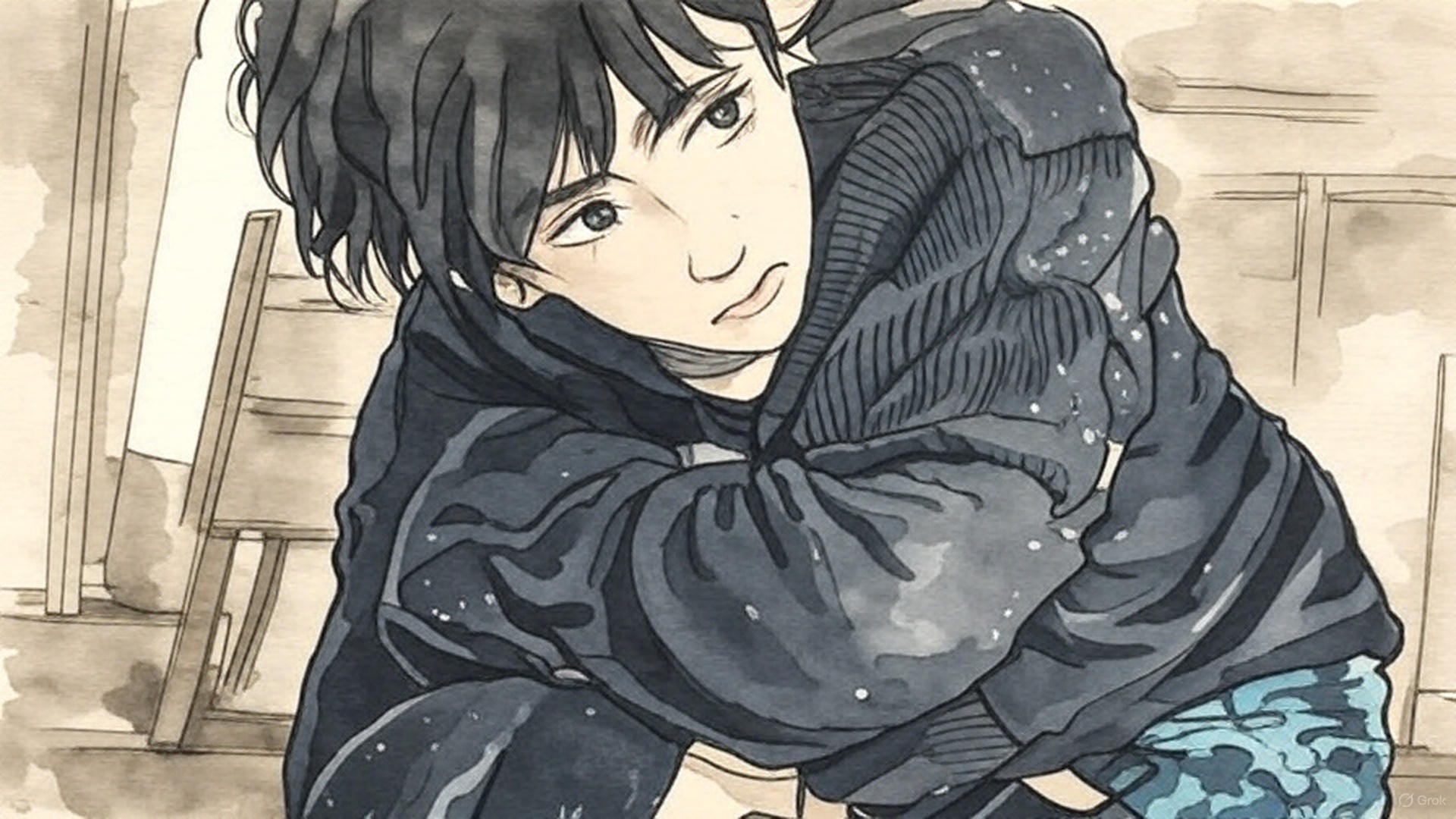
But after that, in a room shaking with inexplicable destruction, me hold the lamp tightly in arms.
Yet the flower is no longer inside the lamp.
According to the lyrics, me “made a flower bloom that cannot bloom.”
A flower that cannot bloom yet is forced to bloom—that is essence.
In other words, it represents true love, or the true self.
The lamp is light.
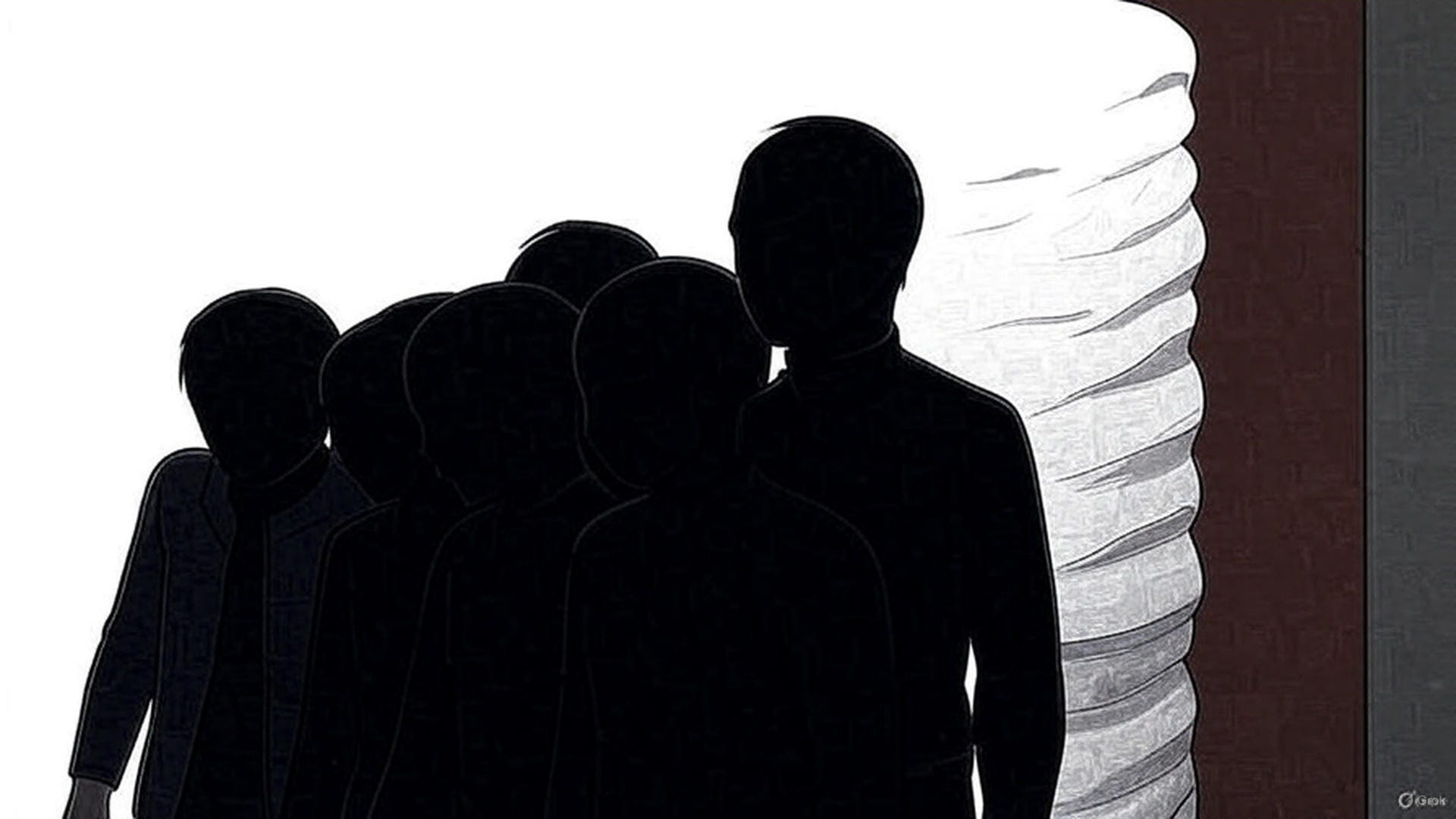
When the first line of the song plays, the choreography shows what looks like a single mass of shadows suddenly spreading out and taking fixed positions.
Once separated, the shadows receive light and become distinguishable as individual identities.
Before division, the lump of shadows was primordial self.
And each shadow is still me.
Only after division can these selves be understood.
Division is destruction, but it is also the condition for understanding.
But how can each separated entity still be me?
The version of me who protected the lamp bursts into motion as emotion intensifies.
Yet it turns out that me was not running forward—me was running away.
The hallway floor collapses behind me with each step me take.
The camera angle stops moving left and right and instead shifts vertically, from up to down.
The contrast between the upper and lower levels is the classic contrast between consciousness and the unconscious.
Each version of me is fragmented, but they perceive one another indirectly.
There is the me standing at the faucet, and another me watching from the darkness above.
The me below looks up precisely at the me above.
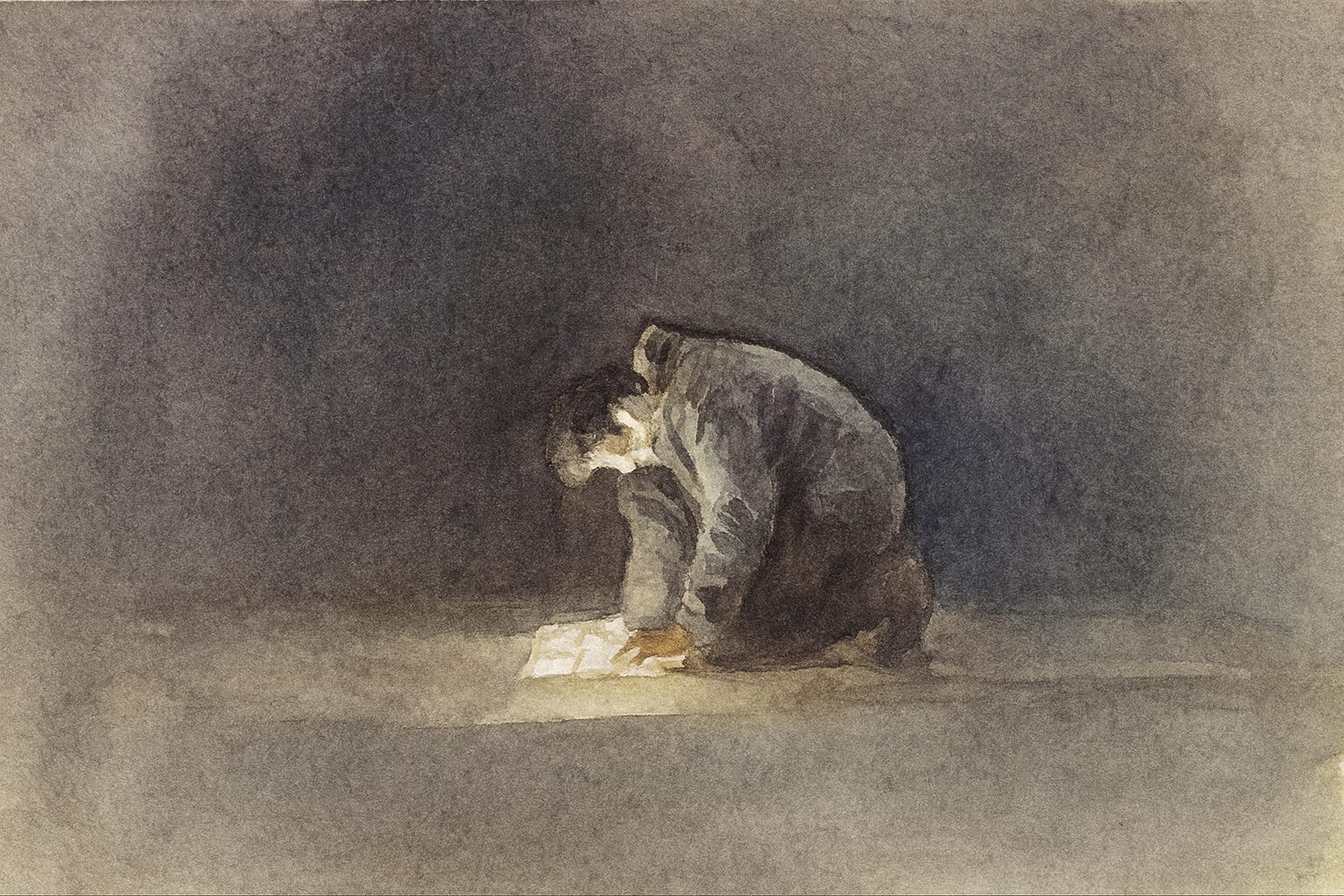
This small dimensional passage becomes a medium that allows the selves to observe one another.
The me at the faucet eventually turns it off.
Then the scene shifts, and me scoop up the sand that supports the lamp and let it fall.
In the shadow, the falling sand looks strange.
Instead of falling grains, it resembles fluttering fragments—almost like butterflies.
Me look at them in surprise.
But soon, a massive torrent of water engulfs the room.
Did the sand—the flow of time—cause the flood?
Or did turning off the faucet cause it?
The video offers no answer.
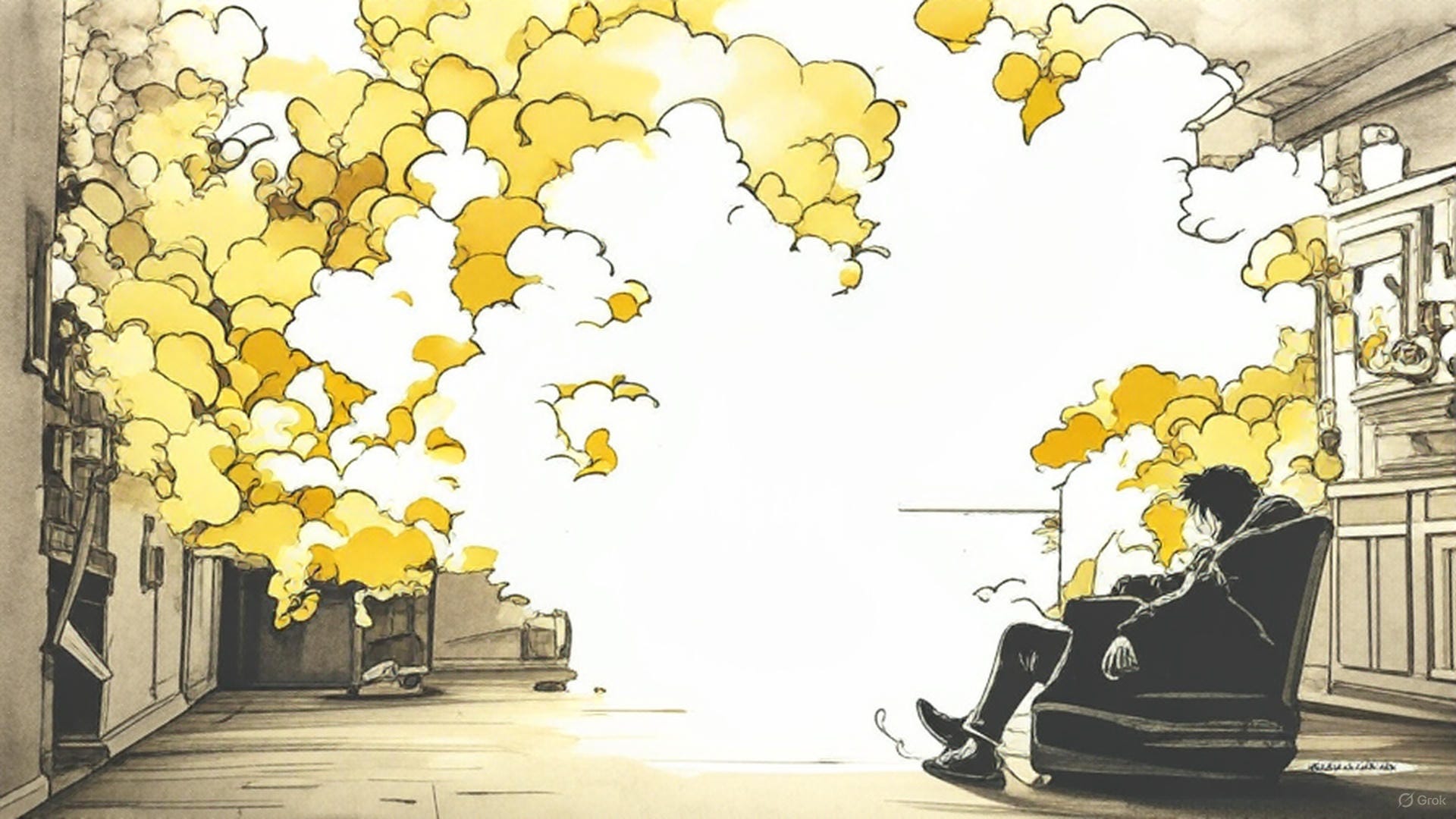
In another room, enormous flames rise.
Me stare at them calmly.
Interpreting water as an emotional flood and fire as erupting anger would be a conventional reading.
But what me notice is something else: a suggestion that events occurring in different rooms—in different dimensions—might resolve one another.
If water and fire meet, the fire will be extinguished.
Chocolate appears both before and after the faucet is turned off.
Afterward, me curl up in pain.
Chocolate exists to be eaten, yet me neither eat it nor even register its presence.
Chocolate is sweet, and high in sugar.
In other words, chocolate is a cheat code—a powerful, immediate reward structure that allows escape from the painful work of integrating the self.
In the end, me open the door.
“Save me” is written there—in language that is almost too easy to understand.
The me in the underground does not turn around.
But here is the strange part:
If the fragmented versions of me finally meet, something good should happen.
Yet the next scene is once again a choreography of indistinguishable shadows.
The original light served as a medium that helped illuminate and distinguish the many selves that could not previously be understood.
But in truth, light is also the source of distortion.
Where there is no light, there is no distortion.
Now, the divided selves exist as independent entities even without receiving any light.
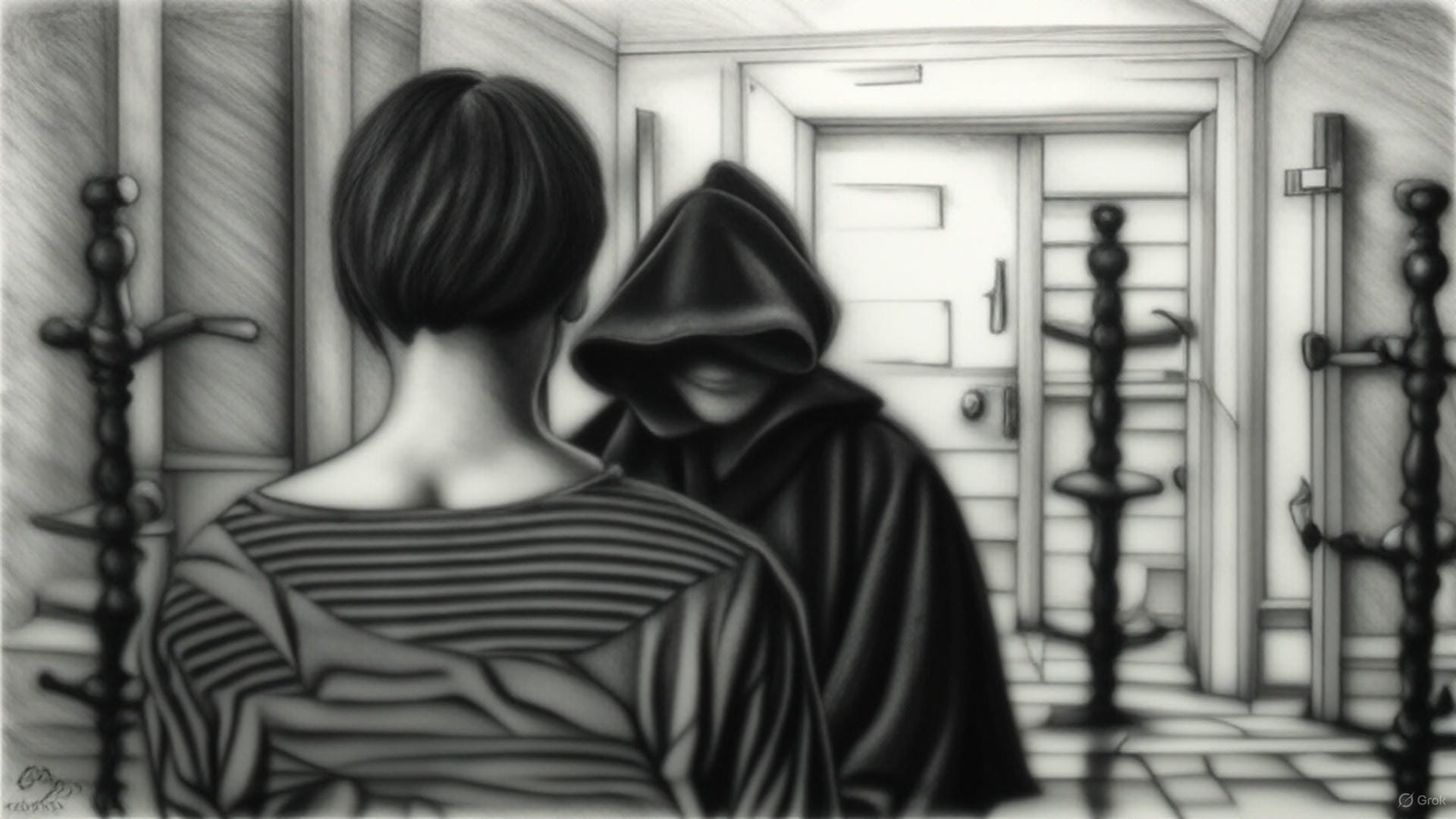
And then me enter another room and face a grotesque skull.
After all, there is no rule stating that truth cannot be ugly.
It is very easy to label you as “Fake Love.”
But that simple binary judgment conceals tremendous unconscious suffering, and me must recognize that.
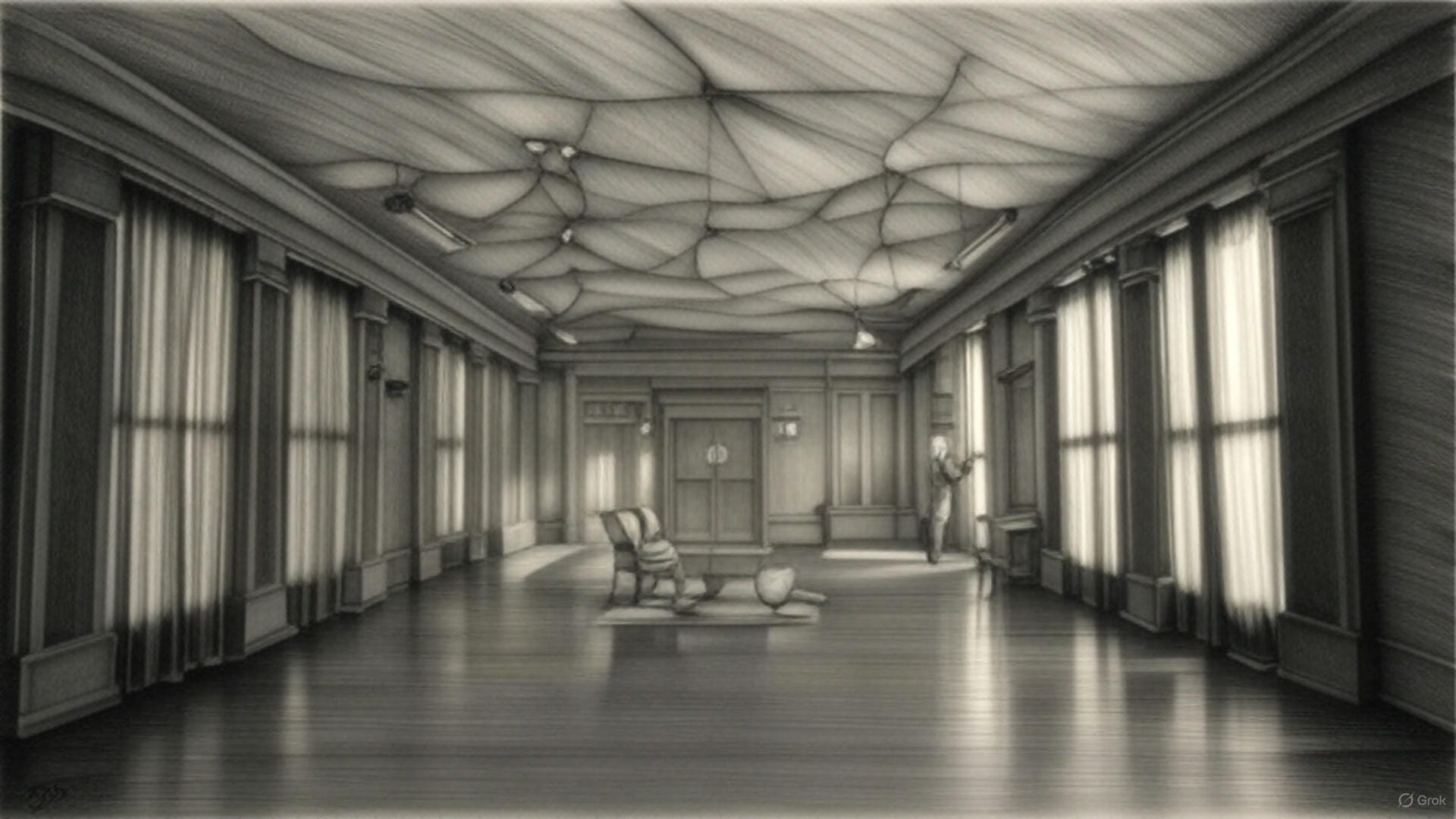
The world is not neatly divided into causes and effects.
At the very beginning, before anything else happened, it was me who closed the curtain.
Whether me called it Fake Love because it was Fake Love,
or whether it became Fake Love because me wanted to call it that—
there may be no correct answer.
Thank you so much for reading!
If you’d like to explore more of my essays in other formats, you can find my video and short-form content here:
🎥 YouTube: https://www.youtube.com/channel/UCjn1Ttw1EFwY8zKb37a4NlQ
(@404-200)
🐦 X (Twitter): https://x.com/112Essays
(@112Essays)